
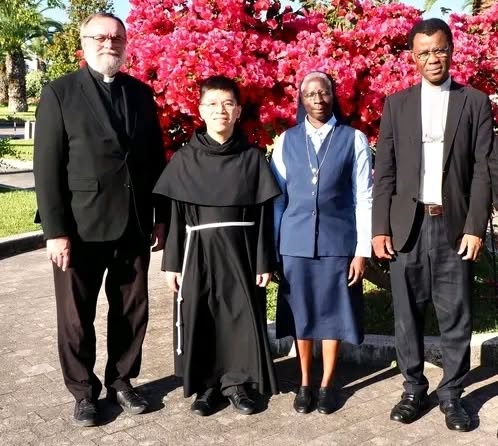
As Malawi prepares to celebrate the Centenary of World Mission Sunday on 3 October 2026 at Mzuzu Stadium in the Diocese of Mzuzu, the Catholic faithful are entering a special season of missionary renewal. This journey will officially begin on 19 July 2026 at Katete Parish under the theme: “One in Christ, United in Mission.”
The history of the Catholic Church in Malawi is often told through the heroic witness of missionaries who left their homes and crossed continents to proclaim the Gospel. The arrival of the White Fathers at Mponda in Mangochi in 1889 marked the beginning of organised Catholic evangelisation in Malawi. From these humble beginnings emerged mission centres such as Kachebere, Likuni, Mua, and many others that became centres of faith, education, healthcare, and human development.
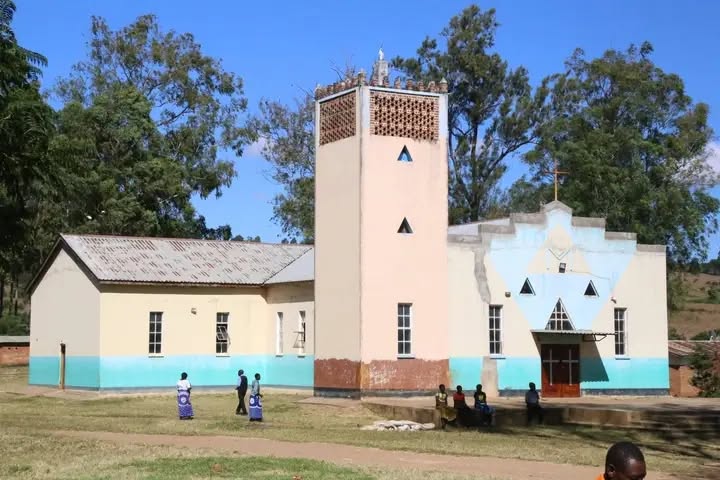
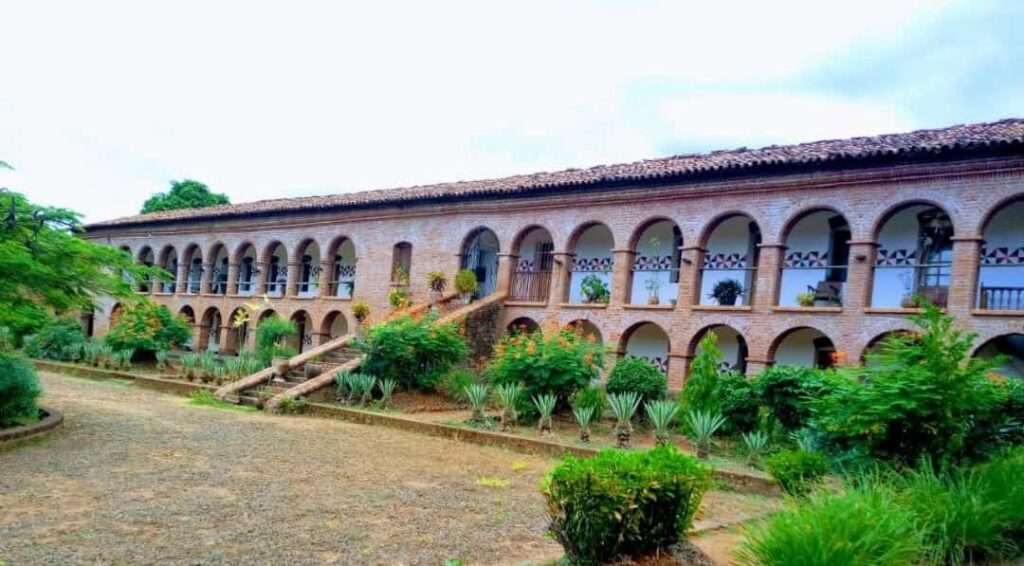
Another important chapter in Malawi’s missionary history began with the arrival of the Montfort Missionaries, who established Nzama Mission in 1901 near Ntcheu. Nzama became one of the earliest and most enduring centres of Christian formation and remains a symbol of the Church’s growth in southern Malawi. In recognition of this contribution, the Malawi Conference of Catholic Bishops (MCCB) has designated 19 September 2026 as a special day to celebrate the Montfort missionary heritage at Nzama.
Yet the story of the Church in Malawi is not only about the missionaries who came. Behind every mission station, school, chapel, hospital, and formation programme stood millions of Catholics around the world whose prayers, sacrifices, and financial support sustained the mission. These are the hidden missionaries behind the growth of the Catholic Church in Malawi.
This missionary cooperation is organised through the Pontifical Mission Societies (PMS), the Church’s official instrument for missionary solidarity. Through PMS, Catholics everywhere participate in the Church’s mission by praying, making sacrifices, and sharing material resources with mission territories.
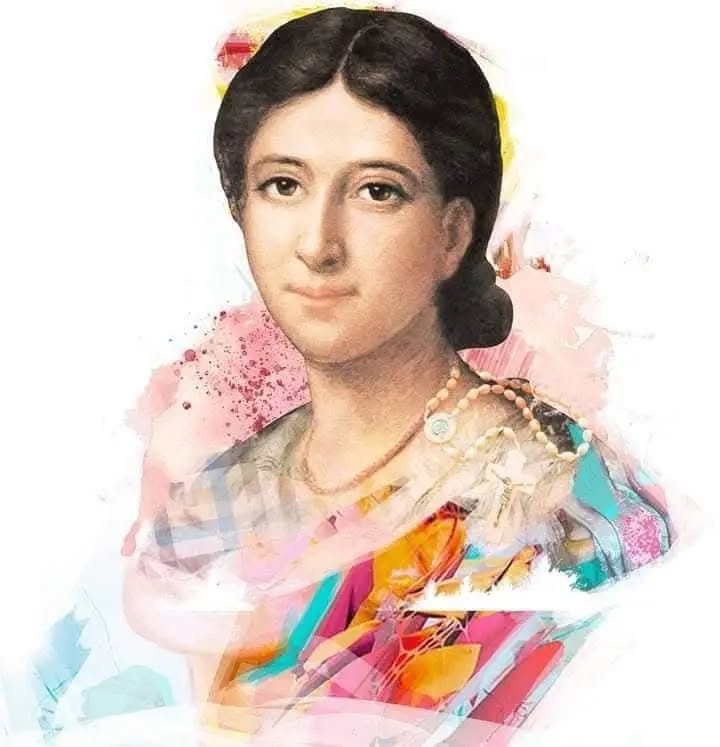
The roots of this missionary solidarity go back to the nineteenth century. In 1822, Blessed Pauline Jaricot founded the Society for the Propagation of the Faith in Lyon, France. Her vision was simple but revolutionary: every baptised person could become a missionary through prayer and small financial contributions. Through this society, support continues to reach dioceses for evangelisation programmes, church construction, pastoral activities, and missionary outreach.
In 1843, Bishop Charles de Forbin-Janson founded the Missionary Childhood Association under the motto “Children Helping Children.” This society supports children’s missionary projects and has contributed to the development of schools, hospitals, and programmes that benefit children in mission territories.
In 1889, Jeanne Bigard and Stéphanie Bigard founded the Society of St. Peter the Apostle, dedicated to supporting the formation of local clergy and religious. Many seminaries, formation houses, and the education of seminarians and novices in mission territories have benefited from its support.
In 1916, Blessed Paolo Manna established the Pontifical Missionary Union to promote missionary formation among priests, religious, seminarians, catechists, and lay leaders, helping them become missionary animators within the Church.
These four societies were later united under the Holy See and entrusted to what is now the Dicastery for Evangelisation. In 1926, World Mission Sunday was officially established, giving visible expression to the missionary communion of the universal Church.
For one hundred years, Catholics around the world have united annually on World Mission Sunday to support the Church’s missionary work. This celebration reminds us that no local Church is self-sufficient; every Church is called both to give and to receive in the mission of Christ.
Today, as Malawi prepares to celebrate this centenary, we are reminded that the growth of the Catholic Church in our country is the fruit of both visible and hidden missionaries. The visible missionaries preached the Gospel and established Church structures. The hidden missionaries sustained that work through prayer, sacrifice, and financial support.
Indeed, many of the signs of the Church’s growth in Malawi—including parishes, schools, hospitals, health centres, catechetical centres, priests’ houses, convents, catechists’ houses, seminaries, and other Church institutions—stand as lasting fruits of worldwide missionary solidarity.
The centenary celebration is therefore more than a remembrance of the past. It is a call to missionary discipleship today. Every baptised person is invited to participate in the mission of Christ through prayer, witness, sacrifice, and generosity.
As the faithful gather at Katete Parish on 19 July 2026 to launch this centenary journey, they are invited to remember and celebrate the hidden missionaries whose support made the growth of the Church in Malawi possible.
The story of the Catholic Church in Malawi is still being written. The mission entrusted to previous generations has now been entrusted to us. United in Christ and united in mission, may we continue this legacy so that the Gospel may reach future generations in Malawi and beyond.
Indeed, there are so many hidden missionaries who did a lot for us Malawians to enjoy now the fruits of our faith. I am one of the proud Catholics in a good sense feeling very priviledged as my grandfather Ignatio Chibwende Chirwa of Katete is recognised as the one who brought the catholic faith from zimbabwe to katete, in Mzuzu Diocese. Under the leadership of the missionaries of Africa, especially Monsignor St. Denis, my grandfather welcomed the first group of Missionary sisters of the Immaculate Conception (M.I.C. Sisters in May 1948. I am currently the Superior General of the Institute and I attribute it to the early missionaries who came with the faith which was handed down and embraced from my dear parents. To God be the Glory!