
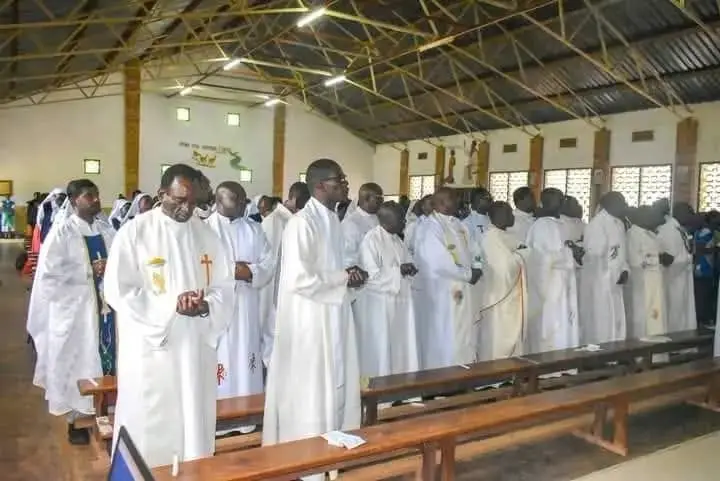
2026 National Centenary Celebration of World Mission Sunday in Malawi: Domus Missionalis—Extending the Pontifical Mission Societies’ Support Beyond Seminary Formation
Introduction
The 2026 National Centenary Celebration of World Mission Sunday marks a historic milestone for the Catholic Church in Malawi. It is an occasion to give thanks to God for one hundred years of missionary witness, evangelization, and the growth of the Church through the missionary spirit fostered by the Pontifical Mission Societies (PMS).
This centenary is not merely a remembrance of the past; it is also an invitation to renew our commitment to the Church’s missionary mandate. As we celebrate this jubilee, it is fitting to reflect on one of the important ways in which the Pontifical Mission Societies continue to strengthen the Church today—through Domus Missionalis, a ministry that extends missionary support beyond minor and major seminary formation by preparing future leaders of the Church through higher ecclesiastical studies.
1. What is Domus?
The word Domus is a Latin term meaning “house” or “home.” Within the framework of the Pontifical Mission Societies, Domus Missionalis refers to the network of missionary colleges and residences in Rome established to provide accommodation, formation, and a spiritual home for priests, seminarians, women religious, and other pastoral workers from mission territories pursuing higher ecclesiastical studies.
Beyond providing accommodation, these institutions offer comprehensive human, spiritual, intellectual, and missionary formation, enabling future Church leaders to return to their local Churches equipped to proclaim the Gospel with competence, wisdom, pastoral charity, and missionary zeal.
2. The Institutions of Domus Missionalis
The Pontifical Foundation Domus Missionalis includes the following institutions:
1. Pontifical College of Saint Paul the Apostle – Serving seminarians and priests pursuing higher ecclesiastical studies.
2. Pontifical College of Saint Peter the Apostle – Providing accommodation and formation for priests undertaking advanced studies in Rome.
3. Mater Ecclesiae College – Dedicated to the accommodation and formation of women religious from mission territories.
4. Saint Joseph College – Offering hospitality and support to priest-professors, lecturers, and clergy engaged in academic and pastoral formation.
5. International Centre for Missionary Animation (CIAM) – A centre devoted to missionary formation, retreats, seminars, conferences, and ongoing missionary animation.
Together, these institutions reflect the Church’s commitment to forming missionary leaders capable of serving both their local Churches and the universal Church.
3. Support Provided by the Pontifical Mission Societies
Through Domus Missionalis, the Pontifical Mission Societies provide:
– Scholarships for higher ecclesiastical studies.
– Accommodation and meals.
– Human, spiritual, intellectual, and missionary formation.
– Access to Pontifical Universities and ecclesiastical faculties in Rome.
– Pastoral accompaniment and opportunities for intercultural missionary experience.
– A community life rooted in prayer, fraternity, and communion with the universal Church.
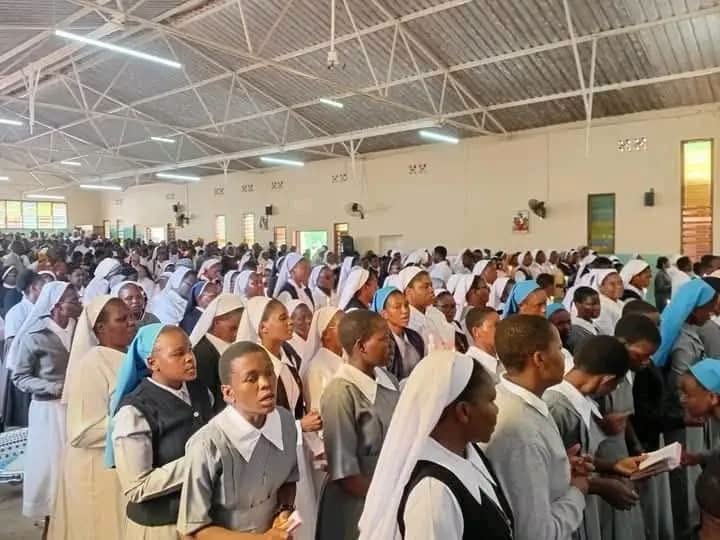
4. PMS Support Beyond Seminary Formation
An important message of this centenary celebration is that the missionary support offered by the Pontifical Mission Societies extends beyond the formation of seminarians in minor and major seminaries.
While PMS continues to assist dioceses in the initial formation of future priests through its missionary initiatives, it also invests in advanced ecclesiastical formation for priests, women religious, and, where appropriate, lay pastoral workers.
Through Domus Missionalis and other scholarship opportunities, PMS prepares seminary formators, theologians, canon lawyers, Scripture scholars, lecturers, pastoral leaders, and Church administrators who, upon returning to their countries, strengthen evangelization, priestly formation, Catholic education, pastoral ministry, and the overall mission of the Church.
This demonstrates that the Pontifical Mission Societies accompany the Church throughout the entire journey of missionary formation, from the seminary to specialized ecclesiastical studies and leadership in mission territories.
5. Support Beyond the Domus Colleges
Although Domus Missionalis is the principal network of missionary residences in Rome, the Pontifical Mission Societies are not necessarily limited to supporting students residing in these institutions.
Subject to the recommendation of the diocesan bishop or religious superior, the pastoral importance of the proposed studies, the availability of scholarship funds, and the approval of the competent authorities of the Dicastery for Evangelization, eligible students may also receive assistance while pursuing ecclesiastical studies at other recognized Pontifical universities or Church institutions.
This flexibility demonstrates the Church’s commitment to ensuring that missionary formation continues wherever it can best serve the needs of the local Churches and the mission of evangelization.
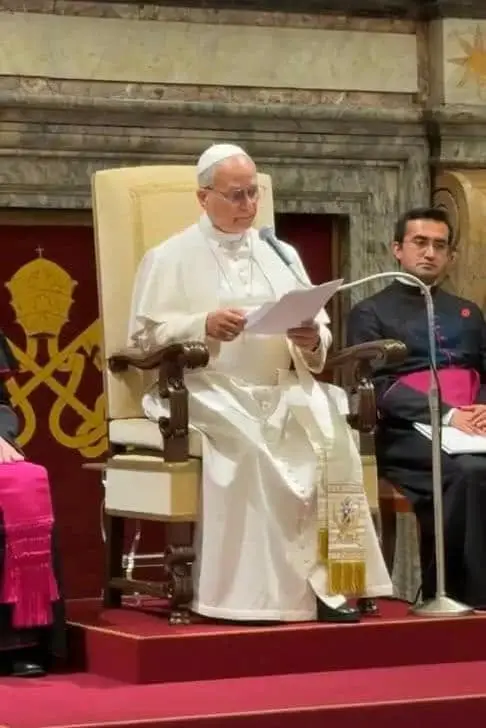
6. Significance of Domus Missionalis to the Catholic Church and to Malawi
The ministry of Domus Missionalis is of great importance because it:
– Forms future bishops, priests, religious, and pastoral leaders for mission territories.
– Strengthens the missionary spirit of the universal Church by bringing together students from different nations and cultures.
– Provides sound theological, pastoral, spiritual, and missionary formation.
– Promotes communion with the Holy Father and the universal Church.
– Equips graduates to strengthen evangelization, priestly formation, Catholic education, pastoral ministry, and social development in their home dioceses.
– Contributes to building stronger local Churches through competent and missionary-minded leaders.
For the Church in Malawi, this ministry reminds us that missionary formation is a lifelong commitment. As we celebrate one hundred years of World Mission Sunday, we are called not only to honour the missionaries who first proclaimed the Gospel in our country but also to invest in forming future generations of missionary disciples who will continue the work of evangelization.
Conclusion
The 2026 National Centenary Celebration of World Mission Sunday is a celebration of gratitude, missionary renewal, and hope.
Domus Missionalis stands as one of the living expressions of the Pontifical Mission Societies’ commitment to the Church’s missionary mandate. By supporting advanced ecclesiastical formation for priests, women religious, and other pastoral workers, PMS continues to strengthen local Churches throughout the world, including Malawi.
As we celebrate one hundred years of World Mission Sunday in Malawi, may this historic milestone inspire every Catholic to renew his or her commitment to prayer, missionary animation, missionary formation, missionary cooperation, and generous support for the mission of the Church, so that the Gospel may continue to reach every people, every culture, and every generation.
References
1. Second Vatican Council. Ad Gentes (1965). Decree on the Missionary Activity of the Church.
2. Saint John Paul II. Redemptoris Missio (1990). Encyclical on the Permanent Validity of the Church’s Missionary Mandate.
3. Pope Francis. Evangelii Gaudium (2013). Apostolic Exhortation on the Proclamation of the Gospel in Today’s World.
4. Dicastery for Evangelization. Statutes of the Pontifical Mission Societies.
5. Pontifical Mission Societies. Official missionary formation and animation publications.
6. Pontifical Foundation Domus Missionalis. Official publications and institutional information on missionary residences and higher ecclesiastical formation.
7. Malawi Conference of Catholic Bishops (MCCB). Preparatory documents and pastoral materials for the 2026 National Centenary Celebration of World Mission Sunday.